In the heart of modern construction lies a transformative shift towards sustainability, a movement that is not just reshaping the way buildings are made but also defining the future of urban landscapes. As environmental concerns become increasingly central to public discourse, the construction sector is responding with innovative solutions that promise a greener, more sustainable future. This blog post explores how sustainable practices are revolutionizing the construction industry, setting new standards for efficiency, resilience, and environmental stewardship.
The Imperative for Change
The construction industry has long been a significant contributor to global carbon emissions, resource consumption, and waste production. However, the tide is turning. There’s a growing recognition of the urgent need to reduce environmental footprints and combat climate change. This imperative for change has spurred the adoption of sustainable practices across the construction sector, driven by both ethical responsibility and the demands of an increasingly eco-conscious market.
Embracing Green Building Standards
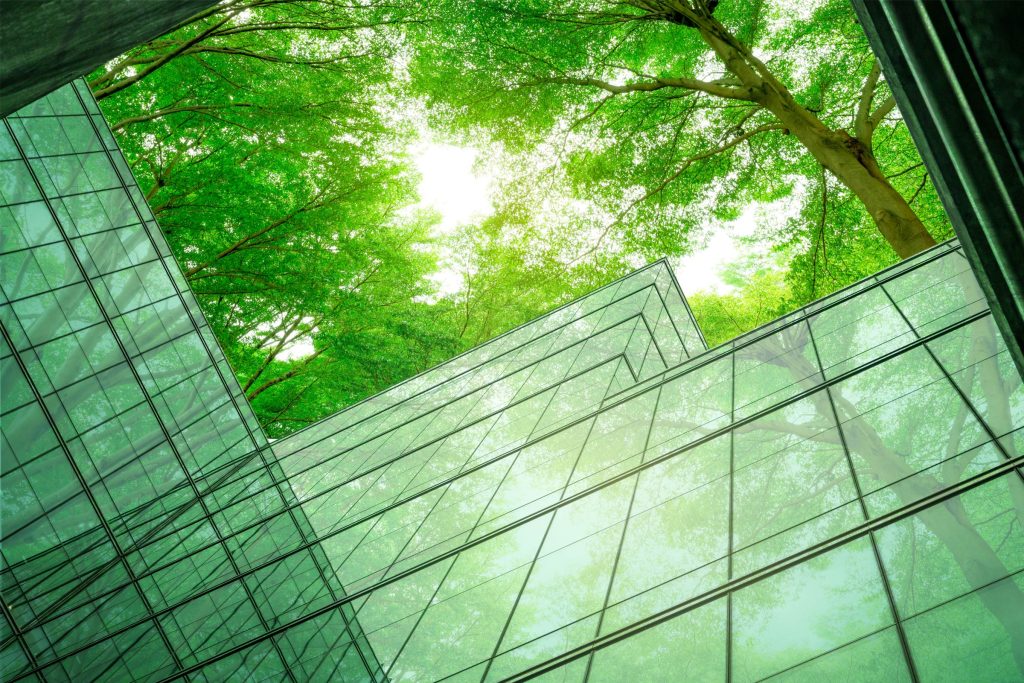
Green building standards, such as LEED (Leadership in Energy and Environmental Design), BREEAM (Building Research Establishment Environmental Assessment Method), and the WELL Building Standard, have become benchmarks for sustainability in construction. These frameworks encourage the design and construction of buildings that reduce energy consumption, minimize waste, and create healthier, more productive environments for their occupants.
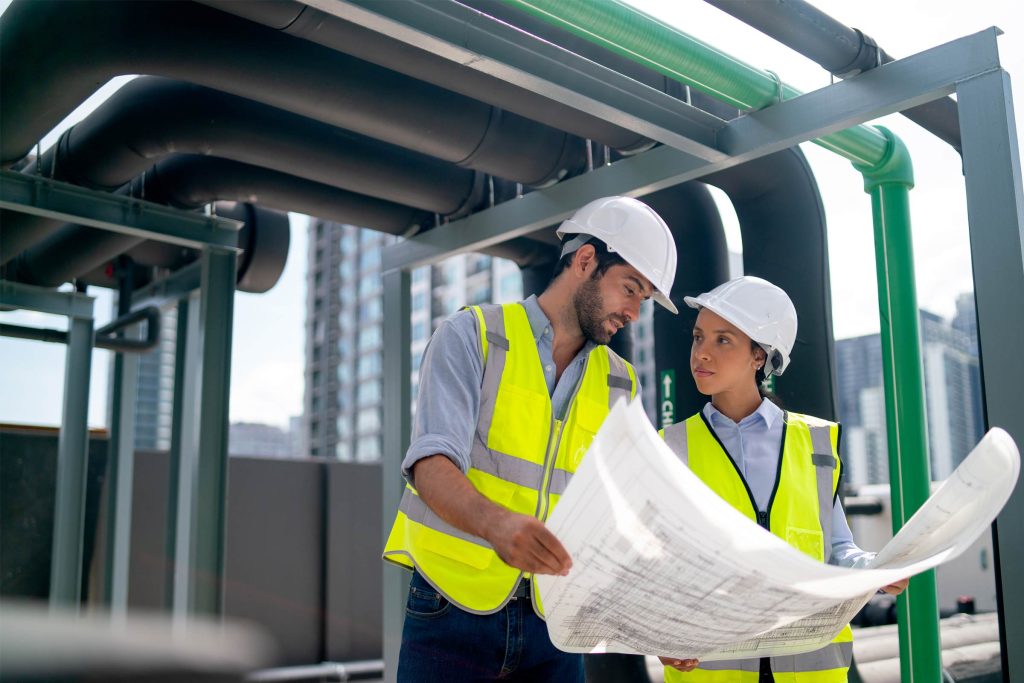
Incorporating these standards requires a holistic approach, starting from the earliest design phases. It involves architects, engineers, and contractors working collaboratively to integrate sustainable materials, energy-efficient systems, and innovative waste management solutions. The result? Buildings that not only have a lower environmental impact but also offer operational savings and enhanced well-being for those who use them.
The Role of Technology
Technological advancements are playing a pivotal role in driving sustainability in construction. From Building Information Modeling (BIM) software, which allows for more efficient planning and resource management, to the use of drones for site surveys, technology is making it easier to design and build with precision and sustainability in mind.
Moreover, the integration of renewable energy sources, such as solar panels and wind turbines, into building designs is becoming more common. These technologies not only reduce a building’s carbon footprint but also offer long-term savings on energy costs. Similarly, smart building technologies enable real-time monitoring and optimization of energy use, further enhancing sustainability efforts.
Sustainable Materials: The Foundation of Green Construction
The choice of materials plays a crucial role in the sustainability of construction projects. The industry is seeing a shift towards materials that are not only environmentally friendly but also durable and recyclable. Bamboo, for instance, has emerged as a popular alternative to traditional hardwoods due to its rapid growth rate and carbon sequestration capabilities. Similarly, the use of recycled steel and concrete reduces the demand for virgin materials and the environmental degradation associated with their extraction and processing.
Innovations like self-healing concrete and thermochromic windows exemplify how cutting-edge materials can improve the longevity and efficiency of buildings, further contributing to their sustainability.
The Impact of Sustainable Construction on Communities
Sustainable construction goes beyond minimizing environmental impact; it also has the potential to create positive social and economic outcomes. Green buildings typically consume less water and energy, leading to lower utility bills and a reduced strain on local resources. Additionally, they often provide healthier living and working environments, which can improve quality of life and productivity.
On a larger scale, sustainable construction practices can stimulate the local economy by creating green jobs and encouraging the development of new industries related to renewable energy and green technologies. Furthermore, by prioritizing resilience and adaptability, sustainable buildings are better equipped to withstand the challenges posed by climate change, protecting communities and ensuring their long-term viability.
Towards a Sustainable Future
The shift towards sustainability in the construction sector is not just a trend; it’s a necessary evolution towards a more responsible and forward-thinking approach to development. As the industry continues to innovate and adopt more sustainable practices, the vision of a world where buildings contribute positively to the environment and society becomes increasingly attainable.
In conclusion, the construction industry’s journey towards sustainability is marked by challenges, but the opportunities it presents are vast and transformative. By embracing green building standards, leveraging technology, choosing sustainable materials, and recognizing the broader impacts on communities, the sector can play a crucial role in building a sustainable future for all.
As we look to the future, it’s clear that sustainable construction is not merely about the structures we build but about reimagining our relationship with the environment and each other. The path forward requires commitment, creativity, and collaboration, but with each green project, we move closer to a world where construction is synonymous with conservation, efficiency, and lasting positive impact.